

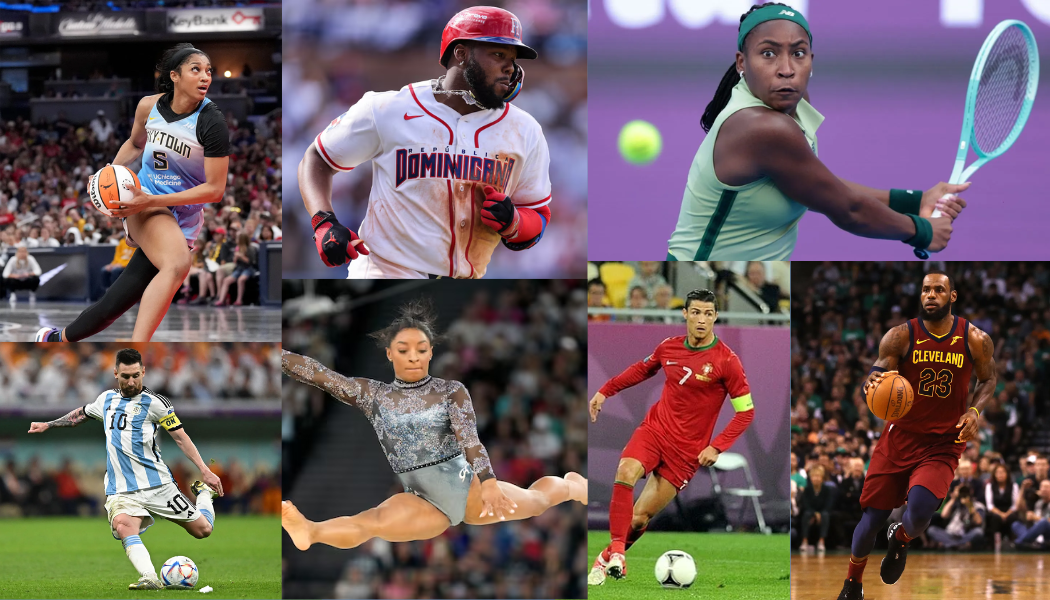
Gender categories remain one of the most debated issues in modern sport. While most athletic competitions are divided into men’s and women’s categories to create competitive balance, growing discussions around biology, gender identity and fairness have made the structure of those divisions increasingly complex. As governing bodies attempt to respond to new scientific research and evolving social attitudes, sport has become one of the most visible arenas where these debates unfold.
Historically, gender categories were established because of average physiological differences between male and female athletes. In many sports, men typically produce higher levels of testosterone and greater muscle mass which can translate into measurable advantages in strength, speed and endurance. Separating competitions by sex was therefore seen as a way to create equitable opportunities for women to compete and succeed at the highest level. For decades this framework remained largely uncontested within international sport.
However, scientific and social discussions surrounding sex and gender have complicated that structure. Cases involving athletes with naturally high testosterone levels, intersex variations or transgender identities have forced sports organizations to reconsider how eligibility rules should function. Governing bodies have introduced a range of policies attempting to balance inclusion with competitive fairness, though those policies often differ between sports.
One of the most widely discussed examples involves Algerian boxer Imane Khelif, whose eligibility has been debated following new testing policies introduced by World Boxing. In 2025, the organization announced that athletes competing in women’s divisions would be required to undergo genetic testing to verify eligibility under its updated regulations. The decision generated criticism from several observers who argued that publicly identifying athletes in the policy announcement raised privacy concerns and risked targeting individual competitors.
Discussions around eligibility are not limited to boxing. Track and field has experienced similar debates involving athletes such as Caster Semenya. Regulations implemented by World Athletics require certain athletes with differences of sex development to lower their natural testosterone levels to compete in women’s events. Semenya challenged the policy through international arbitration and legal appeals, arguing that the rules discriminate against athletes with natural biological variations.
Supporters of strict eligibility regulations often frame the issue through the lens of competitive integrity. They argue that women’s sport exists precisely because biological differences between sexes influence performance outcomes. Without clearly defined categories, they contend, female athletes could face structural disadvantages that undermine the purpose of women’s competition.
Critics of these policies, however, argue that they can unfairly exclude or stigmatize athletes whose bodies do not fit conventional expectations. They emphasize that biological diversity exists within all populations and question whether hormone levels or genetic markers should determine an athlete’s eligibility. In some cases, these policies have also raised concerns about medical privacy and the psychological impact of testing requirements.
The debate is further intensified by the visibility of elite sport. Olympic competition, world championships and professional leagues attract global audiences, meaning that eligibility decisions made by governing bodies can quickly become international political and cultural discussions. Media coverage often amplifies these disputes, placing individual athletes at the centre of complex scientific and ethical questions.
Ultimately, the controversy surrounding gender categories reflects a broader challenge facing modern sport: balancing fairness, inclusion and evolving understandings of gender and biology. While governing bodies continue to revise their policies in response to new research and legal challenges, there is still no universal consensus on the best approach.
As a result, gender divisions remain one of the most contested topics in sport governance. The debate is unlikely to disappear soon, because it touches on fundamental questions about how competition is structured and who gets to participate in it. In an era where both scientific knowledge and social expectations are rapidly evolving, sport continues to grapple with how to preserve fair competition while respecting the complexity of human identity.