

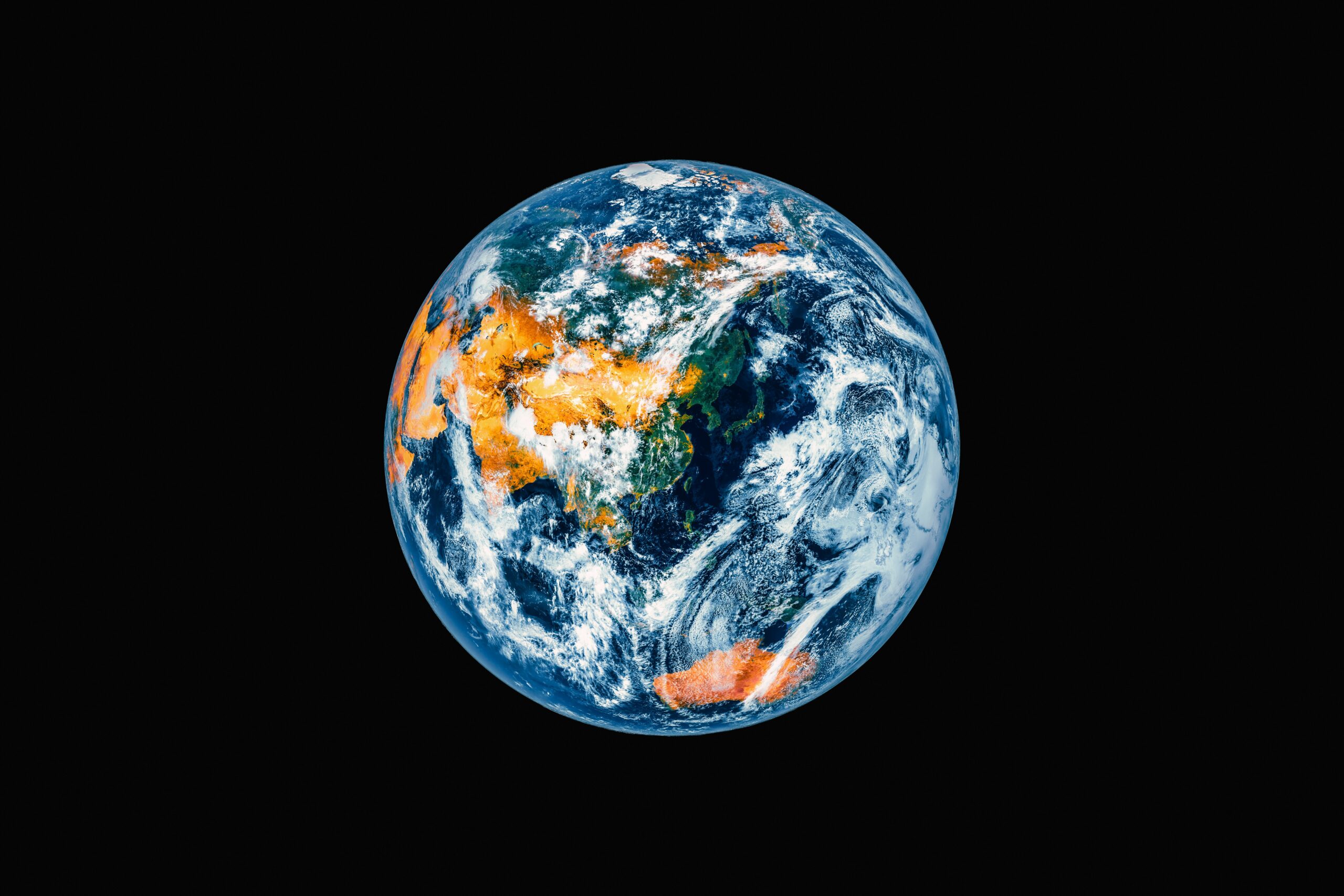
According to a report done by the European Centre for Medium-Range Weather Forecasts, or ECMWF, August was the hottest month recorded globally, with temperatures reaching 1.65°C above the estimated pre-industrial average. It marks another instance in which a month’s global temperature surpassed 1.5ºC above pre-industrial levels, with the last time being in November 2025.
In the report, Samantha Burgess, the strategic lead for climate for the ECMWF, said that “August 2026 was a remarkable month in the global climate record.”
The record comes years after countries signed the Paris Agreement, which aims to limit global temperatures from hitting or surpassing 1.5°C. August’s temperature being above this value does not mean the agreement failed, however, scientists are concerned that the impacts of climate change will increase as a result.
“Research [shows] that for some countries and vulnerable ecosystems, the risk of grave damage rapidly increases at less than 2°C of warming,” author Tom Di Liberto wrote in an article posted by The U.S. National Oceanic and Atmospheric Administration.
For residents of St. Catharines, this record could lead to more heatwaves, heavier storms throughout the year and more frequent flooding events — which could cause further infrastructure and sewer damage.
Why is 1.5ºC significant?
Canada is warming at a rate much faster than before.
The Paris Agreement set the 1.5ºC target because limiting warming to that level could help reduce some of the more serious long-term effects of climate change. Though August’s global temperature does not mean the 1.5ºC will carry on for the whole year, it shows that global temperatures are continuing to rise, increasing the risks of climate change in many regions.
Canada’s latest national climate assessment reported that the country has warmed by 2.0ºC over the past 75 years, and Canada’s North has warmed at a rate faster than double the global average across land and oceans between 1948 and 2023.
As a result, Canada’s annual precipitation has increased and is expected to be more frequent and intense.
The federal government says although many of these changes are now irreversible, others could stabilize if global temperatures do — for example, extreme weather events would decrease if net-zero emissions were reached.
What could this mean for Ontario?
For Ontarians, the federal assessment predicts that intense rain and snowstorms will become more common across Canada. Freezing rain is also expected to increase in magnitude across central and western areas of the country.
Regions across Ontario have already experienced some of these extreme conditions this summer as intense storms led to heavy rainfall and flooding to communities everywhere.
“Storms that swept across parts of Ontario on July 27 and July 28, and between August 1 and 3, caused nearly $360 million in insured damage,” states an article posted by the Insurance Bureau of Canada.
The federal assessment also predicts that southern Canada could experience more droughts and extreme heat in the summer, threatening people’s health, infrastructure and ecosystems.
Canada has already seen examples of this. A 2025 federal analysis found that nine of the 10 Canadian heat waves were due to “human-caused climate change.”
—
These changes are already accounted for in St. Catharines’ Climate Adaptation Plan.
For residents, climate change could become increasingly noticeable in everyday life — from warmer winters to extreme rainfall and drought to hotter days in the summer.
August’s global temperature record does not mean St. Catharines will be affected by this right away. It also does not mean that countries have failed goals outlined in the Paris Agreement.
Instead, it shows that the climate is changing at a concerning rate and communities will need to prepare for the effects.
For more information on long-term climate and flood planning in St. Catharines, read this article, which includes comments from Mayor Matt Siscoe.
For climate related news from around the world, visit the Inside Climate News.
For climate related news and updates in Canada, visit the CBC Climate column .