

There’s a certain quality that physical record hunting has that the internet just can’t provide.
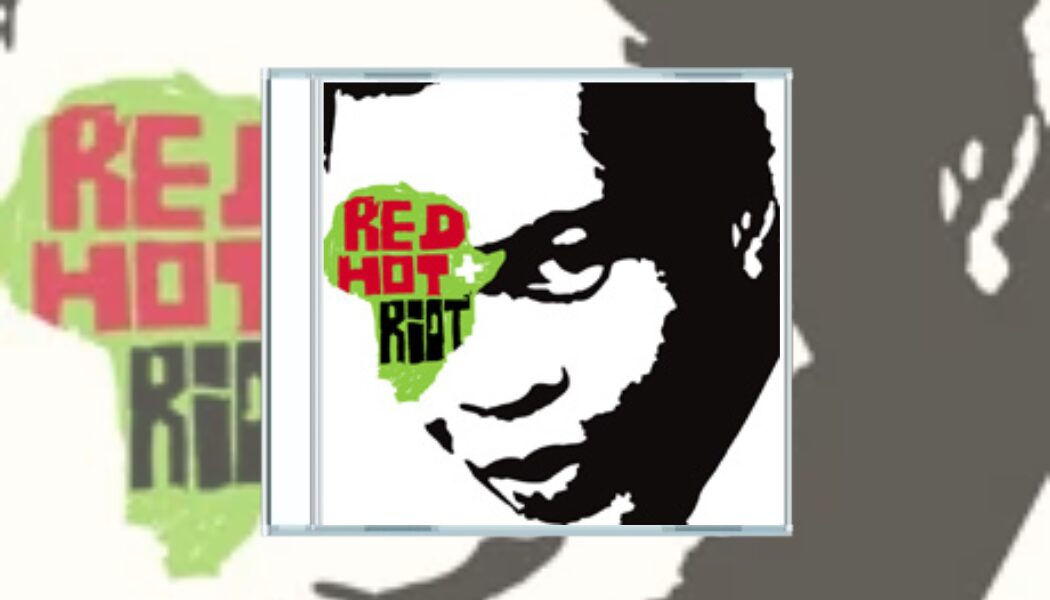
While flipping through CDs at a flea market warehouse in London, I came across a CD labelled on the side that read “RED HOT + RIOT.” When I pulled it out to look at the front, a strip on the side read explicitly, “AIDS IS KILLING AFRICANS.”
Released Oct. 15, 2002, Red Hot + Riot: The Music and Spirit of Fela Kuti is a compilation album comprised of numerous artists, primarily representing a global Pan-African diaspora. The original goal of the record was to raise awareness and funds for the HIV/AIDS epidemic, focusing efforts and awareness in Africa.
On the front of the album is a photo of Fela Anikulapo Kuti, an African artist often cited as a founder of the Afrobeats genre, which combines traditional West African music with jazz and funk. Kuti’s music and activism worked in tandem to fight against colonialism and imperialism, and advocate for collectivism. Kuti was often a target of military and state violence.
Sadly, Kuti died from AIDS-related complications in 1997. This album is dedicated to him.
Some of the artists featured on the album may be popular with people in the West, like D’Angelo, Sade and Common. But others like Yerba Buena, Wunmi and Chiekh Lô, may not be as familiar. Rather than just assembling a series of covers, the record brings together hip-hop, R&B, jazz and African musical traditions, creating collaborations that cross both geographical and musical boundaries. While the album does include covers, it also interplays songs, offers new interpretations and includes some originals too.
Inside the CD case is a booklet containing information about the songs and their contributors, blended with facts about the AIDS crisis in Africa. The front page reads, “In the time it takes to listen to this album, 150 Africans will become infected with HIV/AIDS.” The physical copy of the album forces listeners to engage with the subject matter, continuing to do so throughout the booklet.
On the back of the CD, it is written that net profits from the album’s sale will support Red Hot’s efforts against AIDS and prevention efforts. Red Hot also helped to produce a documentary about the AIDS crisis in Africa.
When Red Hot + Riot was first created, the AIDS crisis had been affecting people throughout the world, but no one felt this quite as distinctly as those in Sub-Saharan Africa. Still, AIDS affects this population most distinctly to this day.
Red Hot + Riot is one album in a series from the organization Red Hot, which has been working toward AIDS relief, fundraising and awareness through various albums since 1990.
The organization has been an important response to the AIDS crisis for over 30 years. In an interview with The Body, Beco Dranoff, a producer at Red Hot said,
“That involvement of big names brought so much visibility to the cause, and to the issue, and to the disease. And people were less afraid, and were open to it, and were accepting. And the ignorance, in the beginning, was so big. People were afraid of hugging, or kissing or doing anything with anybody with HIV […]”
In November 2024, Red Hot released TRAИƧA, an expansive compilation featuring more than 100 contributing artists and celebrating transgender and nonbinary musicians. While its focus extends beyond HIV/AIDS, the project continues Red Hot’s commitment to using music to advance public health, equality and social awareness.
In an era where so much of our listening happens through streaming platforms, it’s easy to forget the role that physical albums once played in communicating ideas beyond their recordings.
More than two decades after its release, Red Hot + Riot still proves to be relevant. While the AIDS crisis has changed considerably since 2002, the album’s message is still worth learning about more than 20 years later.